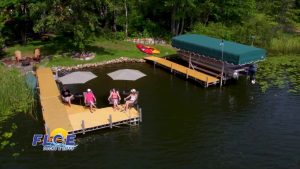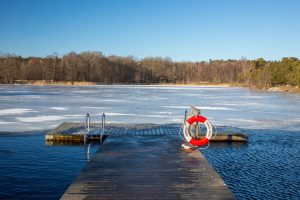
Maintaining your waterfront setup is essential if you want your dock and lift to remain safe, stable, and reliable throughout the season. Over time, weather changes, water levels, and everyday use can create issues that affect how your system performs. Knowing the most common dock and lift problems—and how to fix them—can save you time, money, and unexpected headaches. This guide breaks everything down in a simple, practical way so you can keep your setup working smoothly all year long.
1. Dock Boards Becoming Loose or Warped
Exposure to sun, water, and constant foot traffic often causes dock boards to loosen, crack, or warp. When boards shift, they can create uneven surfaces, safety hazards, and extra strain on the dock structure. One of the best ways to avoid bigger problems is to check your dock each season for weakened boards and replacing any that are split or lifting. If you notice boards swelling or twisting, air circulation and proper sealing can help prevent future damage.
- Signs of damage include cracks, lifted corners, and wobbling boards
- Replace damaged boards with weather-resistant material
- Seal wooden boards to reduce moisture damage
This is one of the situations where scheduling dependable Dock And Lift Services makes the process easier and safer.
2. Lift Cables Showing Rust or Fraying
Lift cables carry a heavy load and are under constant tension, making them one of the first components to wear out. Rust, fraying, or stiff spots indicate that the cable may be reaching the end of its safe use. If cables snap during operation, they can cause serious damage to your boat or lift. Regular cleaning, lubrication, and seasonal inspections help extend cable life. When fraying begins, however, replacement is the only safe solution.
- Inspect cables for thinning, rust, or broken strands
- Never operate a lift with questionable cable integrity
- Replace cables every few years or based on expert recommendations
Professional Dock And Lift Services can ensure cables are replaced safely and correctly before issues escalate.
3. Floating Dock Losing Stability
Floating docks rely on airtight floats or pontoons to stay level and stable. When these floats become damaged or take on water, the dock may start dipping on one side or sinking unevenly. Poor stability not only puts stress on the dock but can also make it unsafe for use. Inspect each float yearly for cracks, punctures, or water inside. Replacing or repairing damaged floats quickly helps restore balance and protects the entire system from long-term wear.
- Dock leans, sinks, or wobbles during use
- Floats may be cracked or filled with water
- Replace worn-out floats for long-term stability
If needed, you can arrange Dock And Lift Services to diagnose float problems and install new buoyancy components.
4. Mechanical Lift Motor Not Working Properly
Lift motors face constant exposure to humidity and debris, which can affect their performance over time. Symptoms such as slow operation, grinding sounds, or complete failure often point to electrical issues, worn gears, or poor lubrication. Regular cleaning and protective covers can help prevent moisture damage. If a motor stops working suddenly, professionals can test wiring, switches, and motor integrity to determine if repair or replacement is needed.
- Slow or uneven lifting movement
- Strange noises during operation
- Electrical failures or blown fuses
Maintaining your lift motor with seasonal checks ensures smoother and safer operation year after year.
5. Dock Structure Shifting or Leaning
Water levels can change dramatically through the year, and this movement—combined with ice expansion during cold months—can shift your dock’s foundation. When support posts move, loosen, or sink unevenly, the entire dock can tilt or sag. Reinforcing support posts, tightening hardware, and resetting foundation points help correct the imbalance. Leaving this issue unaddressed can lead to structural failure or costly reconstruction.
- Dock deck appears uneven
- Posts are loose or shifting
- Water currents may erode support areas
Proper maintenance or service can restore the dock’s alignment before more serious structural strain develops.
6. Lift Bunks Wearing Out or Misaligned
Lift bunks support your boat’s hull and keep it in the right position while lifting or lowering. Over time, bunks may crack, rot, or become misaligned, causing improper weight distribution. This can damage both the lift and your boat. Inspect the bunks each season for signs of soft spots, peeling carpet, or shifting brackets. Replacing worn bunks or adjusting alignment helps protect your investment.
- Check for rot in wooden bunks
- Ensure brackets are tight and stable
- Replace carpet if it is torn or holding water
Routine adjustments by Dock And Lift Services help keep your boat supported safely and evenly.
7. Hardware Corrosion and Loose Connections
Your dock and lift hardware constantly interact with water, sunlight, and the elements. Bolts, brackets, joints, and hinges can corrode, loosen, or weaken over time. Regular inspections help catch small issues early, such as minor rust or loose bolts. Stainless steel hardware, proper lubrication, and seasonal tightening can dramatically increase equipment lifespan. Ignoring corroded parts can result in sudden failures or unsafe conditions.
- Rust, discoloration, or weakened hardware
- Loose brackets or missing bolts
- Replace corroded components promptly
Keeping hardware in good condition supports the entire dock and lift system and prevents unexpected breakdowns.
How to Prevent Dock and Lift Problems in the Future
Prevention is always easier than repairs, and maintaining a steady routine can help avoid most major issues. A seasonal checklist can save you from emergency repairs and keep your waterfront area safe.
- Inspect boards, hardware, and cables each spring and fall
- Keep mechanical parts clean and protected
- Remove excess weight and avoid overloading the lift
- Store equipment properly during off-season
- Address minor concerns before they turn into major repairs
Pairing regular care with trusted Dock And Lift Services ensures your entire setup lasts longer and performs better.
Why Maintenance Matters for Long-Term Performance
Dock and lift systems endure harsh conditions, from freezing temperatures to intense sunlight. Proper care reduces strain on components, prevents premature deterioration, and keeps everything functioning safely. Small issues ignored for too long can snowball into costly repairs, so taking proactive steps is always worthwhile. Reliable inspections, seasonal upkeep, and timely repairs help protect your boat, your property, and your peace of mind.
Final Thoughts
Your dock and lift system supports some of your most enjoyable days on the water, so keeping it in good condition is essential. Understanding these common problems makes it easier to identify issues early and take action before they worsen. When you need assistance, Jd Hellenbrand provides expert hands to ensure repairs are done correctly and safely. If you need support with your dock, lift, or seasonal maintenance, you can reach out through the contact page whenever you’re ready. For more updates and services, visit our Google Business Profile.