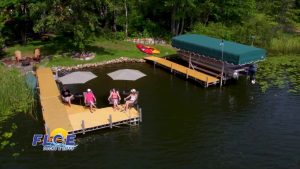
Owning waterfront property opens up a world of possibilities, and installing a boat pier is one of the most valuable investments you can make. Whether you’re an avid boater, fishing enthusiast, or simply want to maximize your property’s potential, choosing the right pier requires careful consideration. This comprehensive guide will walk you through everything you need to know when shopping for boat piers for sale.
Understanding Your Pier Options
Before diving into the market, it’s essential to understand the different types of boat piers available:
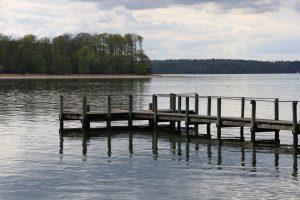
- Fixed Piers: Remain stationary and work well in areas with minimal water level fluctuation. They’re sturdy, cost-effective, and ideal for calm waters.
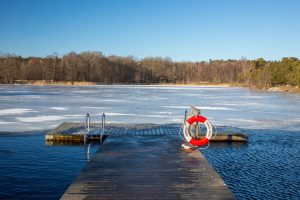
- Floating Piers: Rise and fall with water levels, making them perfect for locations with significant tidal changes or seasonal variations.
- Suspension Piers: Use cables and pulleys to adjust height, offering a middle ground between fixed and floating options.
Your choice will largely depend on your specific waterfront conditions, local regulations, and intended use. Consider factors like wave action, water depth, bottom conditions, and how you plan to use your pier. Will it primarily serve as a boat dock, swimming platform, or fishing spot? Understanding your needs upfront will save time and money in the long run.
Read More:- Warning Signs Your Boat Dock Needs Repair (Before It’s Too Late)
Material Matters: Wood, Aluminum, or Composite?
The material you choose significantly impacts your pier’s longevity, maintenance requirements, and overall cost. Traditional wooden piers offer natural aesthetics and have been the standard for decades. They’re relatively affordable initially but require regular maintenance including staining, sealing, and eventual board replacement. Pressure-treated pine is the most common choice, while tropical hardwoods like ipe offer superior durability at a premium price.
Aluminum piers have gained popularity due to their lightweight construction, corrosion resistance, and minimal maintenance needs. They’re particularly suitable for fluctuating water levels and can be easily reconfigured or relocated. While the upfront cost is higher than wood, the long-term value often justifies the investment.
Composite materials combine recycled plastics and wood fibers, delivering the best of both worlds. They resist rot, splinters, and insects while maintaining an attractive wood-like appearance. Though more expensive initially, composite piers require virtually no maintenance and can last 25 years or more, making them an increasingly popular choice among waterfront owners.
Sizing Your Investment
Pier sizing depends on multiple factors including the number and size of boats you’ll dock, available space, and local regulations. A standard single-slip pier typically measures 20 to 30 feet in length and 4 to 8 feet in width. If you’re docking larger vessels or multiple boats, you’ll need to scale up accordingly.
Water depth at low tide is crucial for determining pier length. You’ll need adequate depth to prevent your boat from grounding, typically at least 3 to 4 feet for most recreational vessels. Consider future needs as well. If you plan to upgrade to a larger boat eventually, building a pier with extra capacity now is more cost-effective than expanding later.
Navigating Permits and Regulations
This is perhaps the most critical aspect that many first-time buyers overlook. Nearly all waterfront construction requires permits from local, state, and sometimes federal agencies. Regulations vary dramatically by location, governing everything from pier dimensions and placement to environmental impact and navigational clearance.
Start by contacting your local zoning office, Army Corps of Engineers district office, and state environmental agency. Many jurisdictions restrict pier length, width, and square footage. Some require environmental assessments, especially in protected habitats or near wetlands. Homeowners associations may impose additional restrictions beyond governmental regulations.
The permitting process can take anywhere from a few weeks to several months, so factor this timeline into your planning. Working with experienced pier contractors who understand local regulations can streamline this process significantly and help avoid costly mistakes.
Budgeting Beyond the Sticker Price
When evaluating boat piers for sale, the advertised price is just the starting point. Installation costs vary widely based on water depth, bottom conditions, accessibility, and local labor rates. A pier requiring pile driving in deep water with a rocky bottom will cost substantially more than one placed on a sandy shallow shoreline.
Additional expenses to consider include:
- Permits and Fees: Government agencies charge various permit application and processing fees
- Delivery Charges: Transportation costs vary based on distance and pier size
- Electrical Wiring: For lighting, outlets, or boat lift power
- Accessories: Ladders, cleats, bumpers, and dock boxes
- Anchoring Systems: Required for floating piers to keep them properly positioned
- Winterization Equipment: In colder climates, covers or removal services
Budget an extra 20 to 30 percent beyond the pier’s base cost to cover these inevitables. Don’t forget ongoing costs either. Annual maintenance, insurance adjustments, and potential winterization in colder climates all factor into the total cost of ownership. Wooden piers require the most maintenance attention, while aluminum and composite options minimize these recurring expenses.
Finding Quality Sellers and Contractors
Not all pier manufacturers and contractors are created equal. Look for companies with extensive experience, proper licensing and insurance, and strong local references. Ask to see completed projects in your area and speak with previous customers about their experiences.
Quality manufacturers should offer comprehensive warranties covering both materials and workmanship. Standard warranties typically range from 5 to 15 years for structural components, with some premium materials carrying even longer coverage. Understand exactly what’s covered and for how long before making your purchase.
Making Your Final Decision
Purchasing a boat pier is a significant investment that should enhance your waterfront lifestyle for decades. Take time to research thoroughly, obtain multiple quotes, and don’t rush the decision. Visit completed installations in person when possible, and ask plenty of questions about construction methods, material quality, and expected lifespan.
Consider not just today’s needs but tomorrow’s as well. A slightly larger or more robust pier may cost more initially but could prove invaluable as your boating activities evolve. With proper planning and the right selection, your new boat pier will become a cherished feature of your waterfront property, providing countless hours of enjoyment and adding substantial value to your investment.
Your perfect pier is out there waiting. Armed with this knowledge, you’re ready to make an informed decision that will serve you well for years to come.
Conclusion
A well-planned pier adds long-term value, safety, and convenience to your waterfront. When you understand your options, materials, permits, and true costs, choosing the right pier becomes far easier. Take your time, compare suppliers, and think about future needs. With JD Hellenbrand by your side, you can choose a pier that serves you for years and enhances every moment on the water. Stay connected with our social pages for expert insights on piers, docks, and waterfront care.