Wisconsin DNR Dock And Pier Rules Permit Vs Exempt In Plain English
Key Takeaways
- Many residential piers qualify as exempt, but only if they stay within specific size and placement rules.
- The fastest way to get into trouble is to add width, platforms, or extra slips without checking current guidance.
- Shoreline conditions and navigational safety matter as much as measurements.
- When you are not clearly exempt, confirming requirements early is easier than fixing it later.
- A well planned dock reduces neighbor conflict and protects your long term investment.
Dock questions are rarely about lumber or aluminum. They are about certainty. People want to know what is allowed, what is smart, and what will not trigger a conflict later. That is why Wisconsin DNR pier permit is such a common search. The goal is not to become a shoreline lawyer. The goal is to build something functional without stepping into a mess.
This is the plain English version: Wisconsin has pathways where certain docks and piers can be placed without a formal permit if they meet exemption requirements. Larger, more complex, or more impactful projects often require additional review. The details matter, and they can change over time, so the best practice is to verify current guidance before building or expanding.
What Exempt Really Means
Exempt does not mean “do whatever you want.” Exempt generally means you can place a basic dock or pier without a formal permit if the structure meets the criteria for size, configuration, and placement and does not interfere with navigation or public rights.
In other words, exemption is permission for reasonable access, not permission for shoreline domination.
What Typically Fits The Exempt Pattern
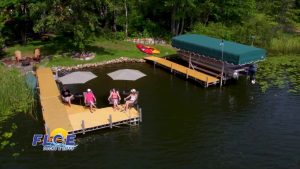
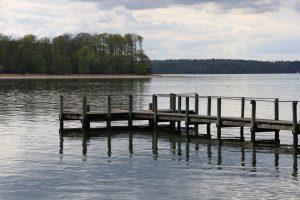
Many standard residential docks and piers fit exemption criteria when they are simple and modest in footprint. Think of a functional walkway to a boat, with typical width and a layout that does not create a navigation pinch point.
If your dock looks like something that belongs on a residential shoreline rather than a private marina, you are usually closer to exempt. If your dock is expanding into multiple wide platforms, large gathering areas, and several mooring zones, you may be moving out of exemption territory.
The Most Common Ways People Accidentally Leave Exempt Status
Dock projects often evolve gradually. That is where trouble starts. Nobody thinks, “Today I will build a dock that triggers a permit requirement.” They think, “This platform would be nice,” or “We should add room for the pontoon,” or “A second spot for a guest would be convenient.”
Here are the common drift points.
Adding Or Enlarging Platforms
Platforms are one of the fastest ways to change the footprint. A platform can impact navigation, visual corridors, and shoreline use. Even when a platform seems reasonable from your yard, it can be more impactful when it sits over public water.
Expanding Mooring Capacity
Adding more slips or space for additional craft can change how the structure functions. In a tight shoreline area, added mooring capacity can also affect navigation patterns.
Extending Farther Than Necessary
People sometimes push a dock farther out to reach deeper water. That can be understandable, but it also increases footprint and navigational impact.
Ignoring Lot And Neighbor Constraints
On smaller lots, a few feet can change everything. Even a compliant structure can become contentious if it feels like it crowds neighbors or narrows shared access.
Navigation And Safety Are Always Part Of The Equation
Even when a structure fits exemption measurements, placement matters. Docks that create hazards, block commonly used travel paths, or interfere with public rights can attract attention. Summer is when the truth shows up. Picture a busy July afternoon with water traffic, and ask whether your layout creates a choke point.
This is also why clear alignment and sensible placement are so important. A dock that is functional and safe tends to be the least controversial dock.
When A Permit Is More Likely
Some projects are naturally more likely to require review. This can include larger or more complex structures, special shoreline conditions, or associated shoreline work.
Common examples include:
- More complex or unusually large dock systems.
- Projects involving dredging or shoreline alteration.
- Sensitive areas or special waterbody considerations.
- Situations where the footprint or use clearly exceeds typical residential access.
The practical advice is simple. If you are building something that feels beyond “standard residential dock,” do not guess. Confirm requirements early.
The Best Way To Plan Without Stress
Here is a planning approach that reduces risk and keeps projects simple.
Start With The Real Need
Define what you actually need. One safe walkway. One safe loading area. Enough room to dock your primary watercraft. Anything beyond that is optional, and optional features are often where exemption issues begin.
Fit The Dock To The Site
Depth, bottom conditions, and exposure matter. A layout that works perfectly on one shoreline can be annoying or unsafe on another. Planning with the site prevents constant adjustments and reduces the temptation to keep adding sections.
Plan For Good Summer Use
Make sure your docking and loading routine works in real summer conditions. If the dock is hard to approach or the boat sits awkwardly, people start making “temporary” changes that later become permanent expansions.
Keep Documentation
If you confirm exemption criteria and install within those guidelines, keep notes and photos. It is useful for future upgrades and helpful if questions ever arise.
What If You Are Replacing An Existing Dock?
Do not assume an existing dock is automatically compliant today. Rules and interpretations can evolve. Replacement is the perfect time to recheck requirements, confirm placement, and improve function.
How This Ties Back To Smart SEO And Real World Results
From a practical marketing standpoint, people searching Wisconsin DNR pier permit are not just looking for legal facts. They are looking for confidence. If your content helps them understand the difference between exempt and permit likely projects, and then offers an easy path to a site review, you build trust and win the call.
FAQs
Do I Need A Permit For A Dock In Wisconsin?
Many standard residential docks and piers may qualify as exempt if they meet size and placement rules. Larger, more complex, or higher impact projects may require a permit or additional review.
What Does Exempt Mean For A Pier?
Exempt generally means a pier may be placed without a formal permit if it meets the exemption criteria and does not interfere with navigation or public rights.
Can I Add A Platform To My Dock Without A Permit?
It depends on the size and placement. Platforms can push a structure out of exemption criteria. Confirm current guidance before adding width or large platform areas.
What If My Neighbor Complains About My Dock?
First, confirm the dock meets current requirements and does not create navigational issues. Clear communication and documentation help. If a complaint triggers review, compliance and good planning protect you.
Who Can Help Me Figure Out A Compliant Dock Layout?
A local dock professional who understands Wisconsin lakes can help you plan a functional layout that stays within practical and regulatory limits.